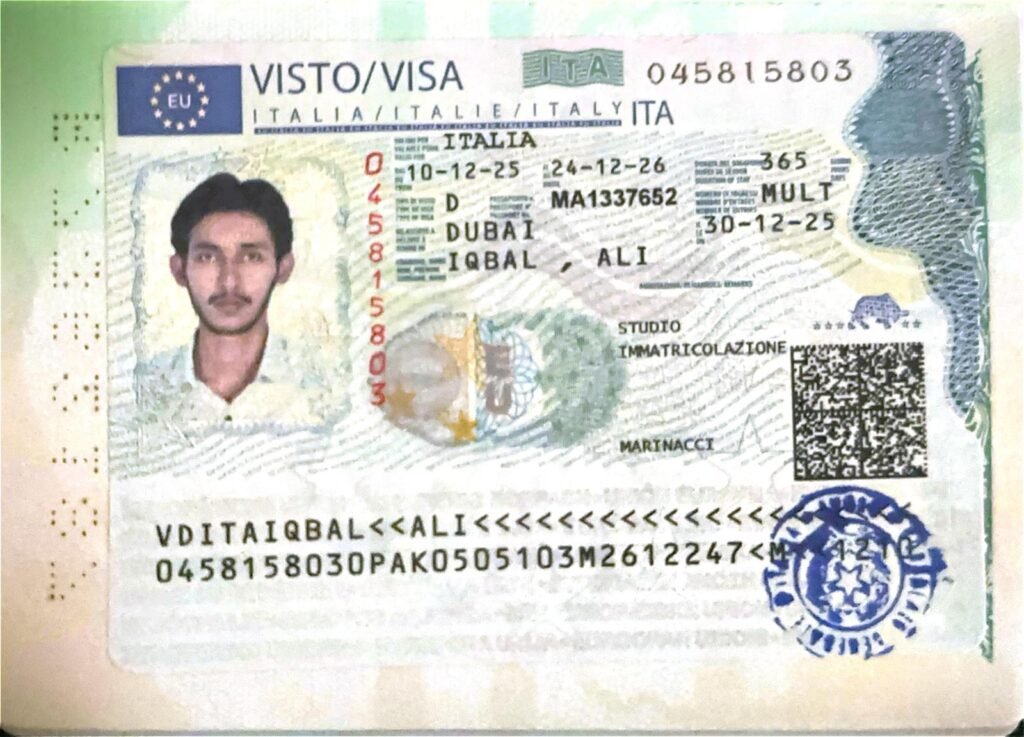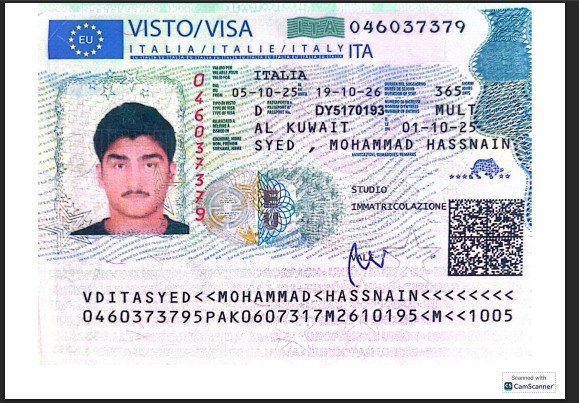

Applying for a student visa can feel like the hardest part of studying abroad — not because the process itself is complicated, but because small mistakes in documentation are the single biggest reason applications get delayed or refused. Here’s a realistic breakdown of what the process actually looks like in 2026, and where students most often go wrong.
Step 1: Get Your University Offer Letter First
Every student visa application starts with an unconditional offer letter from a recognized institution. Applying before this is finalized — or applying with a conditional offer when a country requires unconditional — is one of the most common early mistakes. Confirm your offer status in writing before you touch the visa application.
Step 2: Understand Your Country’s Financial Requirements
Nearly every study destination requires proof that you can cover tuition and living expenses for at least your first year. What counts as acceptable proof varies significantly — some countries want a blocked account, others want a bank statement with a minimum balance held for a set number of months before you apply. Submitting funds that don’t meet the required “seasoning” period is a frequent, avoidable rejection reason.
Step 3: Prepare Your Document Checklist Early
Most visa categories require a consistent set of documents: passport, offer letter, financial evidence, academic transcripts, language test results, and passport photos meeting specific size and background requirements. The mistake isn’t usually forgetting a document entirely — it’s submitting an outdated version, a document in the wrong format, or information that doesn’t match across different papers (a name spelled differently on your transcript versus your passport, for example).
Step 4: Book Your Biometrics and Interview (If Required)
Some countries require an in-person biometrics appointment or visa interview as part of the process. Book this as early as your application stage allows — appointment slots fill up quickly during peak intake periods, and a late booking can push your visa decision past your intended start date.
Step 5: Track Your Application and Respond Quickly to Requests
If an embassy or immigration department asks for additional documents or clarification, respond as fast as possible. Delayed responses are one of the quietest ways a straightforward application ends up missing an intake deadline.
The Most Common Mistake We See
More than academic weakness or financial shortfall, the applications that get delayed are usually the ones with inconsistent information across documents — a birth date, name spelling, or address that doesn’t match between the passport, transcripts, and financial documents. It sounds minor, but it’s one of the fastest ways to trigger additional scrutiny.
Bottom Line
A student visa application isn’t just paperwork — it’s a consistency check. The students who get through fastest are the ones whose documents tell one clean, matching story from start to finish.